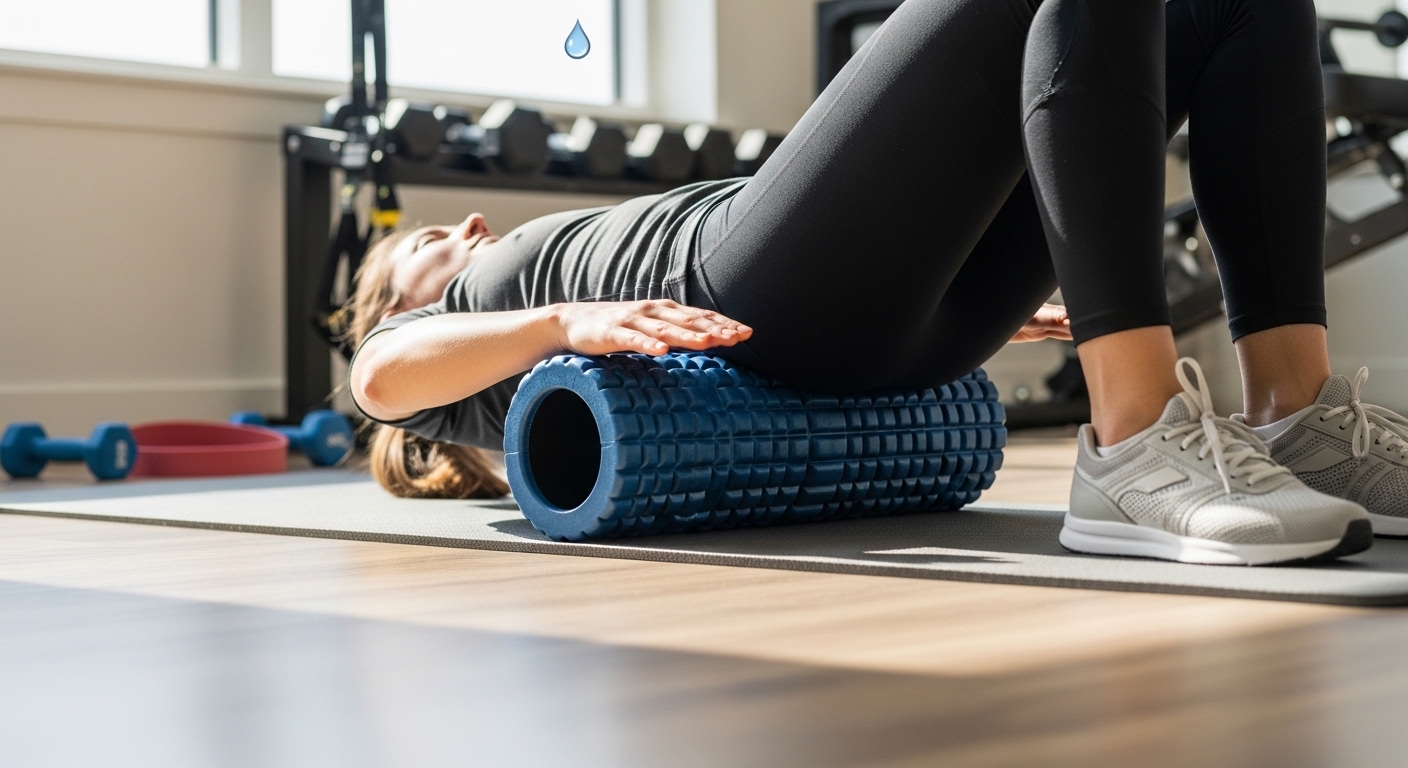
If your legs feel like concrete the day after training, a good foam roller can be the difference between “I can’t sit down” and “I’m fine to move today.” The trick is picking the right density and texture—so you get relief without turning recovery into torture.
Disclosure: Some links may be affiliate links. As an Amazon Associate I earn from qualifying purchases.
Why foam rolling works (when it actually helps)
Foam rolling won’t “erase” soreness overnight, but it can help you feel looser, move better, and reduce that stiff, tight feeling—especially in quads, calves, glutes, and upper back. The best results come from:
- Moderate pressure (not max pain)
- Slow passes + short holds on tender spots
- Consistency (5–10 minutes, a few times per week)
Quick recommendations (pick in 10 seconds)
- Best overall for most people: #3 High-Density 5-in-1 Recovery Roller Kit (Balanced Pressure)
- Best for beginners / sensitive users: #2 Trigger-Point 5-in-1 Set (Gentler feel, easy to start)
- Best for athletes who like deeper pressure: #1 Deep-Tissue 5-in-1 Roller Kit (Firm + textured)
- Best “tech upgrade” recovery: #4 FITINDEX Vibrating Foam Roller
- Best value mega-kit for full-body work: #5 High-Density Foam Roller Set (7-piece kit)
The 5 best foam rollers for muscle recovery
1) Deep-Tissue 5-in-1 Foam Roller Kit (Textured Roller + Stick + Ball)
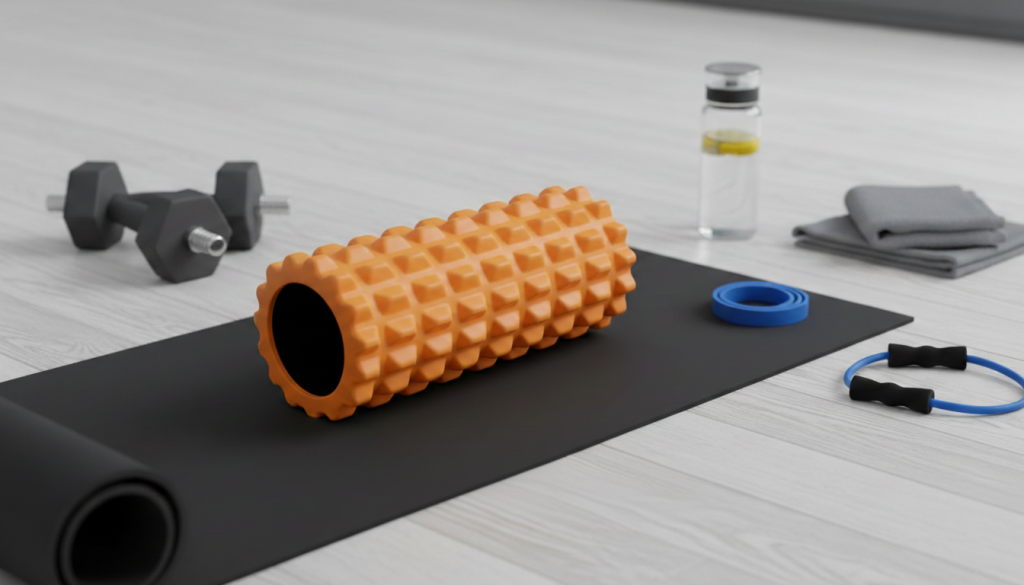
Best for: athletes, lifters, runners who want firmer, deeper pressure
This style of kit usually includes a textured foam roller plus a few extras like a massage stick/ball—meaning you can roll big muscle groups and then target smaller “hot spots.”
What stands out
- Textured surface helps dig into tight spots (quads, outer thigh, upper back)
- Extras let you switch from “broad pressure” to “pinpoint work”
Pros
- Great for stubborn tightness (hips, glutes, calves)
- More versatile than a roller alone
- Works well for both warm-up and recovery
Cons
- Texture can feel intense at first (especially on outer thigh)
- If you bruise easily, you’ll want lighter pressure and shorter sessions
Real-user take: This is the “I train hard and I want results” kit—but don’t start by grinding on the most painful areas like you’re mad at your legs.
2) Trigger-Point 5-in-1 Foam Roller Set (Starter-Friendly Feel)
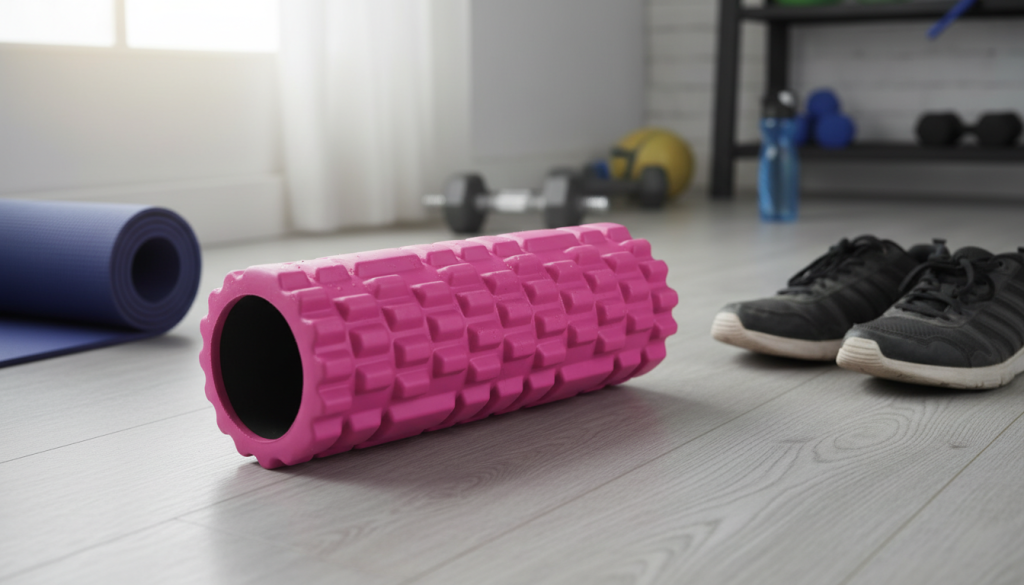
Best for: beginners, people with lower pain tolerance, anyone easing into recovery work
If foam rolling has ever made you quit after 20 seconds, start here. These sets tend to be more approachable—still effective, but less “spiky.”
What stands out
- Usually a more forgiving texture/density combination
- Good for building the habit without dreading it
Pros
- Easier on sensitive muscles (quads and IT-band-adjacent areas)
- Still helps loosen hips, glutes, and upper back
- Great entry point if you’re new to mobility
Cons
- Very tight athletes may want a firmer roller later
- Less “deep” pressure compared to the most aggressive rollers
Real-user take: The best foam roller is the one you’ll actually use. This is the one I’d recommend to most true beginners.
3) High-Density 5-in-1 Foam Roller Kit (Balanced Pressure) — Best Overall
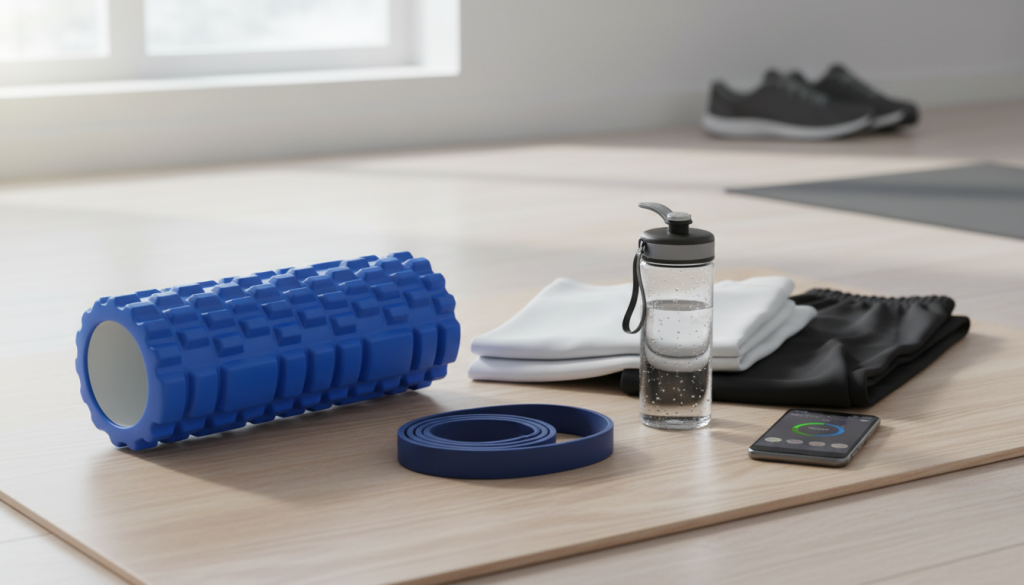
Best for: most people who want real relief without excessive pain
This type of kit hits the sweet spot: firm enough to work, but not so aggressive that you avoid it. High density matters because a too-soft roller just squishes and fails to apply consistent pressure.
What stands out
- High-density core = steadier pressure and better control
- Great “middle ground” for both newbies and experienced users
Pros
- The most versatile “one kit does it all” feel
- Strong for legs + upper back
- Good for consistent use (doesn’t feel like punishment)
Cons
- Still requires good technique (pressure too high = you’ll hate it)
- If you want the deepest pressure possible, you may prefer #1
Real-user take: If you only buy one, this is the safest bet. It’s effective, usable, and doesn’t scare you off.
4) FITINDEX Vibrating Foam Roller — Best for Next-Level Recovery
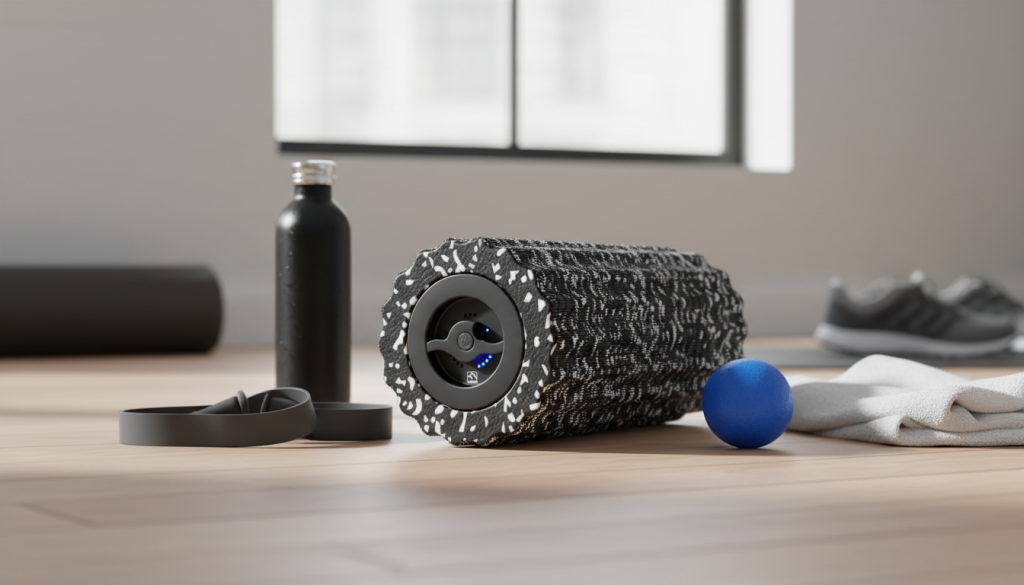
Best for: people who want quicker relaxation and a more “massage-like” recovery
Vibration changes the experience: it can make rolling feel smoother and sometimes helps you relax into pressure faster (which is usually when you get the best relief).
What stands out
- Vibration can reduce that “sharp” sensation on tight muscles
- Feels more like a recovery tool than a basic roller
Pros
- Great for quads, calves, glutes when you’re very sore
- Can feel more comfortable than aggressive textures
- Nice for pre-bed recovery sessions
Cons
- Bulkier than a standard roller
- If you just want a simple tool, this may be more than you need
- Still not a magic fix if you roll too hard or too long
Real-user take: This is the upgrade pick—especially if you foam roll often and want it to feel less like a chore.
5) High-Density Foam Roller Set (7-Piece Kit: Roller + Stick + Balls + Strap) — Best Value Full-Body Kit
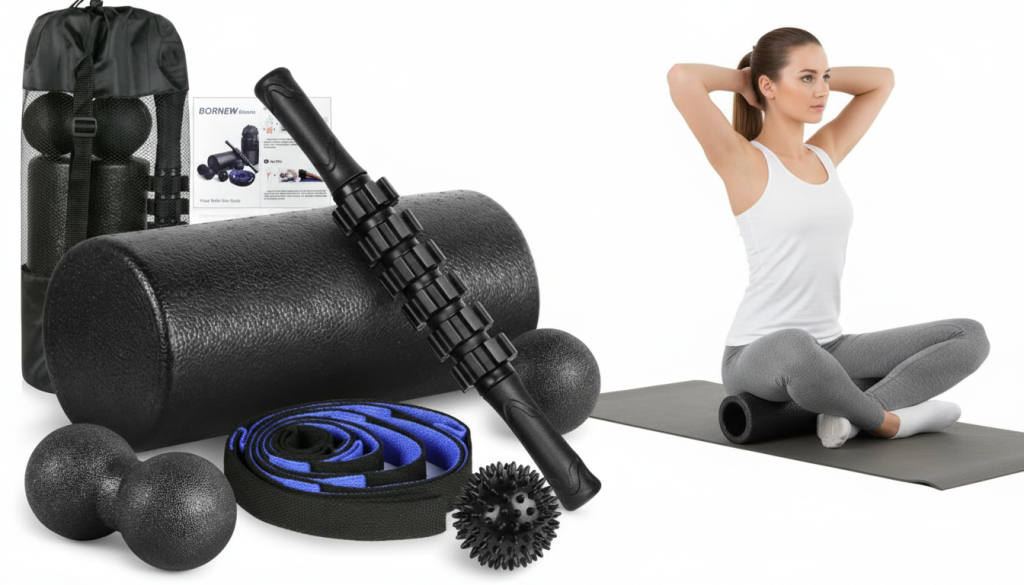
Best for: people who want a complete recovery bundle for back/feet/hips and mobility
If you like having the “right tool” for each spot, a bigger kit is handy: roller for big muscles, balls for trigger points, stick for calves, strap for stretching.
What stands out
- Most complete set for full-body recovery and stretching
- Helpful for feet, upper back, and smaller tight points
Pros
- Great coverage: legs, back, feet, shoulders
- Makes targeted recovery easier (ball/stick for stubborn areas)
- Good for people who do both strength + cardio
Cons
- More pieces to store (small apartments may prefer a simpler kit)
- Some people end up using only 2–3 items consistently
Real-user take: If you love a “recovery station” vibe at home, this is the most comprehensive option.
How to choose the right foam roller (without overthinking it)
Density
- Soft/medium: beginners, sensitive users, post-injury return
- High-density: most active people (best balance)
- Very firm + textured: athletes who want deeper pressure
Texture
- Smooth: most comfortable, easiest to use
- Textured: more intense, better for stubborn tightness (but can hurt)
Size
- Standard roller (long): best for quads, hamstrings, upper back
- Massage ball/stick: best for calves, glutes, feet, and pinpoint knots
A simple 8-minute “next-day relief” routine
Do this after training or the next morning.
- Calves – 45 sec each side (slow rolls)
- Quads – 60 sec each side (avoid smashing hip bone)
- Glutes – 60 sec each side (small controlled passes)
- Upper back – 60–90 sec (avoid rolling directly on lower back)
- Hip flexor/outer hip area – 30–45 sec each side (gentle)
Rule: Keep discomfort around 4–6/10, not 9/10. If you tense up, you’re overdoing it.
Common mistakes that make foam rolling feel worse
- Rolling too fast (you miss the tight spots)
- Going too hard too soon (bruises = you stop using it)
- Rolling directly on joints or lower back
- Holding your breath (makes your body resist the pressure)
Final verdict: the best foam roller for most people
For the best mix of right density, real relief, and “I’ll actually use this” comfort, #3 (High-Density 5-in-1 Kit) is the best overall pick.
If you’re new or sensitive, start with #2.
If you want deeper pressure, go #1.
If you foam roll a lot and want it to feel easier, #4 (vibrating) is the upgrade.